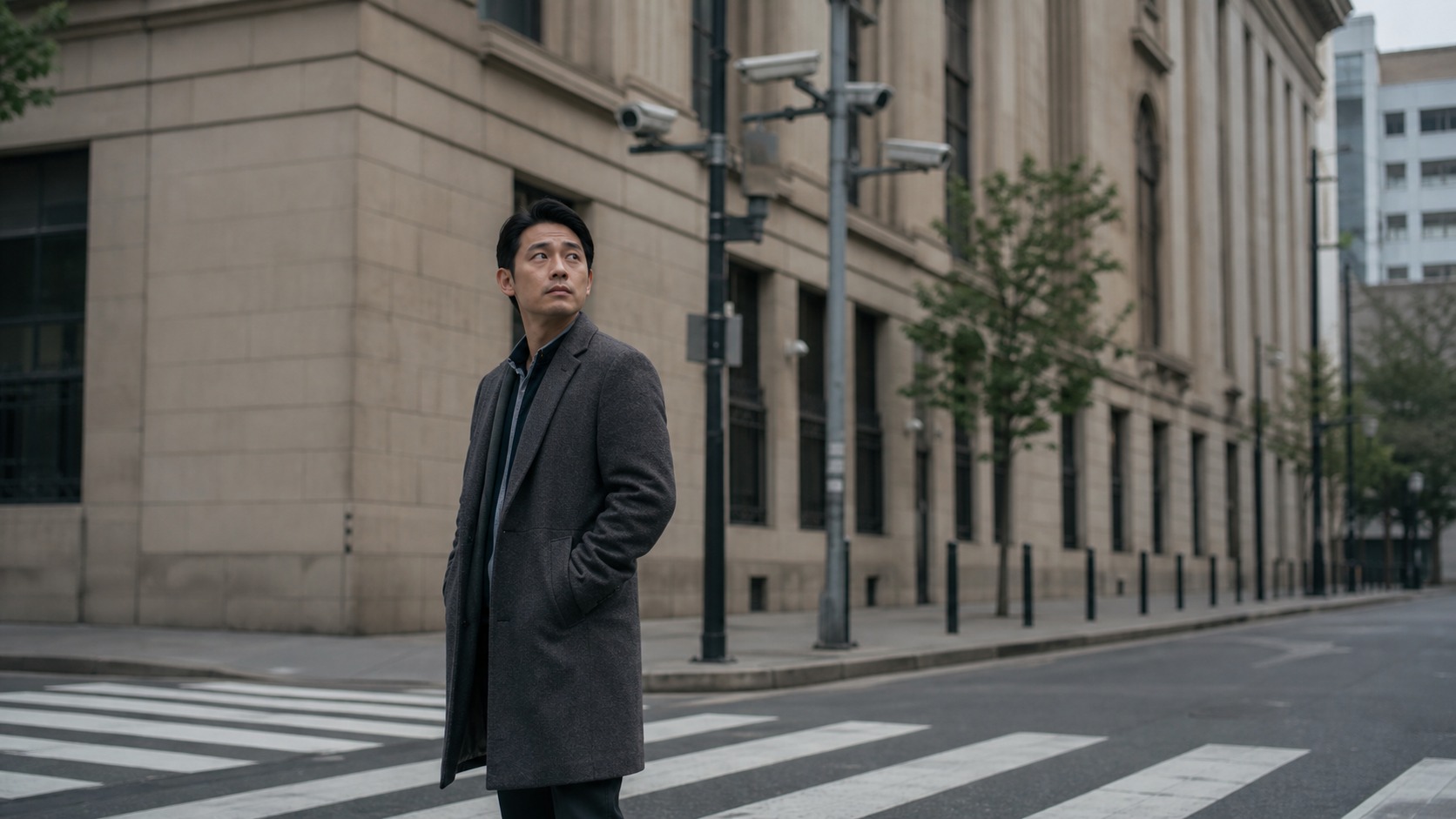
Are Individual Liberties Under Threat Today?
Individual liberties rarely disappear all at once. They usually come under pressure through habits, incentives, technologies, emergencies, court decisions, agency rules, and cultural expectations that make freedom harder to use. A society may still speak warmly about rights while treating dissent as dangerous, privacy as outdated, property as conditional, religious conviction as embarrassing, and due process as a delay. That does not mean every modern concern is tyranny or every regulation is an attack on freedom. It means citizens should be alert to the ways liberty can be narrowed without a dramatic announcement. The serious question is not whether today is uniquely terrible compared with every past age. The question is whether current institutions still protect the practical ability of ordinary people to speak, worship, build, own, associate, and govern their lives within just laws.
A: Some pressures are new, especially digital and institutional ones, but the healthier approach is to examine concrete powers rather than romanticize the past.
A: No. Rules against force, fraud, and serious public harms can protect freedom when they are clear, limited, and accountable.
A: Speech is how citizens expose abuses, challenge errors, defend conscience, and organize reform. When speech narrows, other rights become harder to defend.
A: Yes, especially when they dominate access to work, banking, education, or communication, or when they coordinate with political authority.
A: Watch for vague standards, permanent emergencies, social punishment for lawful dissent, and decisions made through hidden discretion.
A: They should address risks with narrow rules, evidence, sunset limits, appeal rights, and respect for the liberties being affected.
A: Courts are essential, but liberty also depends on culture, local institutions, civic courage, and daily habits of restraint.
A: Yes, when citizens identify specific abuses, rebuild institutions, use their rights, and elect leaders who accept limits.
Threats Often Arrive As Convenience
Modern threats to liberty often present themselves as convenience. Digital systems make life faster, but they also make tracking, scoring, filtering, and exclusion easier. When every transaction, opinion, movement, and association can be recorded, the practical cost of dissent can rise even without a new criminal law. People begin to ask not only whether they are free, but whether using that freedom will quietly close doors.
Government is not the only actor in this story. Employers, banks, schools, platforms, professional boards, and nonprofits can create pressure that feels public even when it is technically private. If those institutions coordinate with political power or rely on government privilege, the line between culture and coercion becomes less comforting.
Emergency Thinking Changes Expectations
Emergencies can justify temporary measures, but they also train citizens to accept speed over process. Once people become accustomed to executive orders, agency discretion, suspended rules, and public shaming campaigns, they may carry those expectations into ordinary disputes. The emergency ends on paper while the governing style remains.
The danger is not that leaders should do nothing in a crisis. The danger is that crisis language becomes a shortcut around persuasion, legislation, evidence, and review. A free society needs public action during serious dangers, yet it also needs sunset dates, open debate, judicial oversight, and a habit of returning authority to normal limits.
Citizens should be especially careful when a crisis is defined so broadly that no clear ending is possible. A power tied to a fire can expire when the fire is out. A power tied to misinformation, extremism, inequality, or safety in general can continue as long as officials find examples to cite.
Speech Pressure Is A Central Warning
Speech is often the first liberty to show strain because it is the liberty through which citizens defend the others. When people fear punishment for ordinary disagreement, they retreat from public argument. That retreat gives institutions more room to act without scrutiny, and it teaches younger citizens that silence is safer than honesty.
Not every criticism of speech is censorship. Free people may answer bad arguments, refuse association, or condemn cruelty. The warning sign appears when powerful institutions try to make disputed opinions unsayable through vague rules, official pressure, or penalties that bypass normal legal standards.
Property And Work Shape Practical Freedom
Liberty also depends on the ability to build an independent life. If property becomes insecure, work becomes heavily licensed, small enterprise becomes tangled in compliance, or families depend on a few gatekeepers for economic survival, rights become harder to exercise. A person who fears losing livelihood for lawful dissent is not as free in practice as a document suggests.
How To Distinguish Concern From Panic
Citizens should avoid two mistakes. One mistake is panic, where every disliked rule is described as the end of freedom. That weakens serious warnings by making liberty sound like a partisan reflex. The other mistake is complacency, where every threat is dismissed because the country still holds elections and prints rights in legal texts.
A better approach asks practical questions. Does the rule have clear limits? Can citizens appeal? Are penalties proportionate? Does the policy burden speech, worship, property, family, or association? Does it treat dissent as a danger in itself? Does it rely on hidden discretion rather than public law?
This approach allows citizens to defend liberty without losing judgment. Some restrictions may be legitimate. Some institutions may need reform. Some fears may be exaggerated. The point is to examine power carefully before it becomes normal, because normal power is the hardest to notice.
Renewal Requires Use
Individual liberties are protected by courts and constitutions, but they are renewed by use. People keep speech alive by speaking, religious liberty alive by worshiping freely, property rights alive by owning responsibly, and association alive by building institutions outside the state. Unused liberties become ceremonial.
The answer to modern threats is not despair. It is a steadier citizenship that notices pressure early, insists on process, refuses to dehumanize opponents, and protects rights even when doing so is inconvenient. A free society does not survive because threats never appear. It survives because enough citizens still know what liberty is for.
Technology Changes The Scale Of Pressure
Technology has changed the scale at which liberty can be burdened. A bad local rule once affected a limited area and could often be escaped with effort. Digital systems can apply decisions instantly across banking, employment, communication, travel, education, and reputation. That speed makes mistakes more consequential and appeals more important. A citizen wrongly flagged by an opaque system may not know who made the decision, what evidence was used, or how to correct it.
The Difference Between Disapproval And Coercion
Free societies allow strong disapproval. Citizens may boycott, criticize, debate, refuse invitations, and answer speech with speech. Liberty does not require every person to applaud every choice. The line is crossed when disapproval becomes coercion through threats, official pressure, denial of basic access, or punishment without fair standards.
That distinction matters because some people use the language of liberty to avoid criticism, while others use the language of criticism to excuse intimidation. A mature civic culture can say that a statement is wrong without demanding the speaker be destroyed. It can also say that private retaliation becomes dangerous when powerful institutions coordinate to make lawful life impossible.
The healthiest response is not forced politeness. It is principled restraint. Citizens should argue hard over truth and justice while preserving the background rights that allow argument to continue. Once the penalty for dissent becomes social exile or economic ruin, debate turns into performance and liberty becomes fragile.
Economic Independence Protects Civic Courage
Economic independence is not a complete guarantee of freedom, but it gives people practical courage. A citizen with savings, property, marketable skills, or multiple customers can speak more freely than someone whose entire livelihood depends on one institution’s approval. That is why concentrated economic power and concentrated political power can reinforce each other in troubling ways.
Policies that make independent work harder should be examined with liberty in mind. Small businesses, freelancers, family farms, tradespeople, and local nonprofits often provide social space outside major institutions. When compliance burdens crush them, society loses more than economic variety. It loses places where citizens can act without waiting for a few centralized gatekeepers.
Institutional Trust Must Be Earned
Many liberty disputes today are also trust disputes. Citizens are more likely to accept difficult rules when institutions explain clearly, admit mistakes, apply standards evenly, and return power after emergencies. They become suspicious when officials hide evidence, shift definitions, punish critics, or demand trust while avoiding accountability. Trust is not created by scolding the public. It is earned through conduct that respects citizens as adults.
The Measured Defense Of Freedom
A measured defense of freedom avoids both apathy and panic. Apathy says rights are safe because they remain written down. Panic says every dispute proves collapse. Neither habit helps. Citizens need the steadier discipline of looking at incentives, procedures, precedents, and actual burdens. They need to ask how a power might be used by less trustworthy hands later.
This measured defense also requires generosity toward neighbors who fear different threats. Some people worry first about disorder. Others worry first about control. A serious liberty conversation should hear both concerns and then ask which remedies preserve the person, the family, the local community, and the rule of law.
Individual liberties may be under threat in particular areas, but they are not helpless. They are defended whenever citizens insist on clear law, open debate, due process, economic independence, religious freedom, and constitutional limits. Freedom survives through institutions, but also through the ordinary courage to keep living like rights are real.
Privacy Is A Practical Liberty
Privacy is sometimes treated as secrecy, but it is better understood as room for responsible life. People need unmonitored space to read, pray, speak with family, seek counsel, make mistakes, and change their minds. A society that records everything can make lawful freedom feel exposed. Even when no one is immediately punished, constant visibility can train citizens to behave as if an unseen reviewer is always present.
That is why surveillance debates should not be reduced to whether a person has something to hide. Free people have many things to protect: medical concerns, religious struggles, political doubts, family conflicts, financial plans, and private associations. Privacy gives conscience and relationship a shelter from needless public inspection.
Education Shapes The Next Liberty Culture
Schools influence whether the next generation sees liberty as a living inheritance or a disposable slogan. Students should learn rights, but they should also learn why rights require limits on power, patience with disagreement, and fair procedures for people accused of wrongdoing. If civic education becomes only activism without constitutional restraint, students may learn to demand power before they learn why power is dangerous.
Public Courage Can Be Quiet
Public courage does not always mean a speech, lawsuit, or protest. Sometimes it means asking a fair process be followed when everyone else wants speed. Sometimes it means staying friends with someone who is being caricatured. Sometimes it means refusing to sign a statement one does not believe. Small acts matter because they keep conscience from being trained into automatic submission.
Quiet courage also reduces the loneliness that makes people self-censor. When one citizen speaks with moderation and refuses to panic, another may discover that disagreement is still possible. Liberty often returns through these modest openings. A free society is easier to defend when citizens can see that they are not alone in wanting both order and freedom. That visibility matters because fear exaggerates the power of conformity. Once people see fair disagreement handled without ruin, they regain confidence in rights that had begun to feel too costly to exercise. The defense of liberty then becomes less theatrical and more sustainable, rooted in daily examples of steadiness. Those examples help institutions remember that citizens are participants in self-government, not subjects waiting to be managed. They also give younger citizens a model of freedom joined to responsibility. That model may be the most practical antidote to a culture of fear. It shows that vigilance can be calm, patient, and constructive. It also proves that liberty can be defended without turning civic life into permanent alarm.