
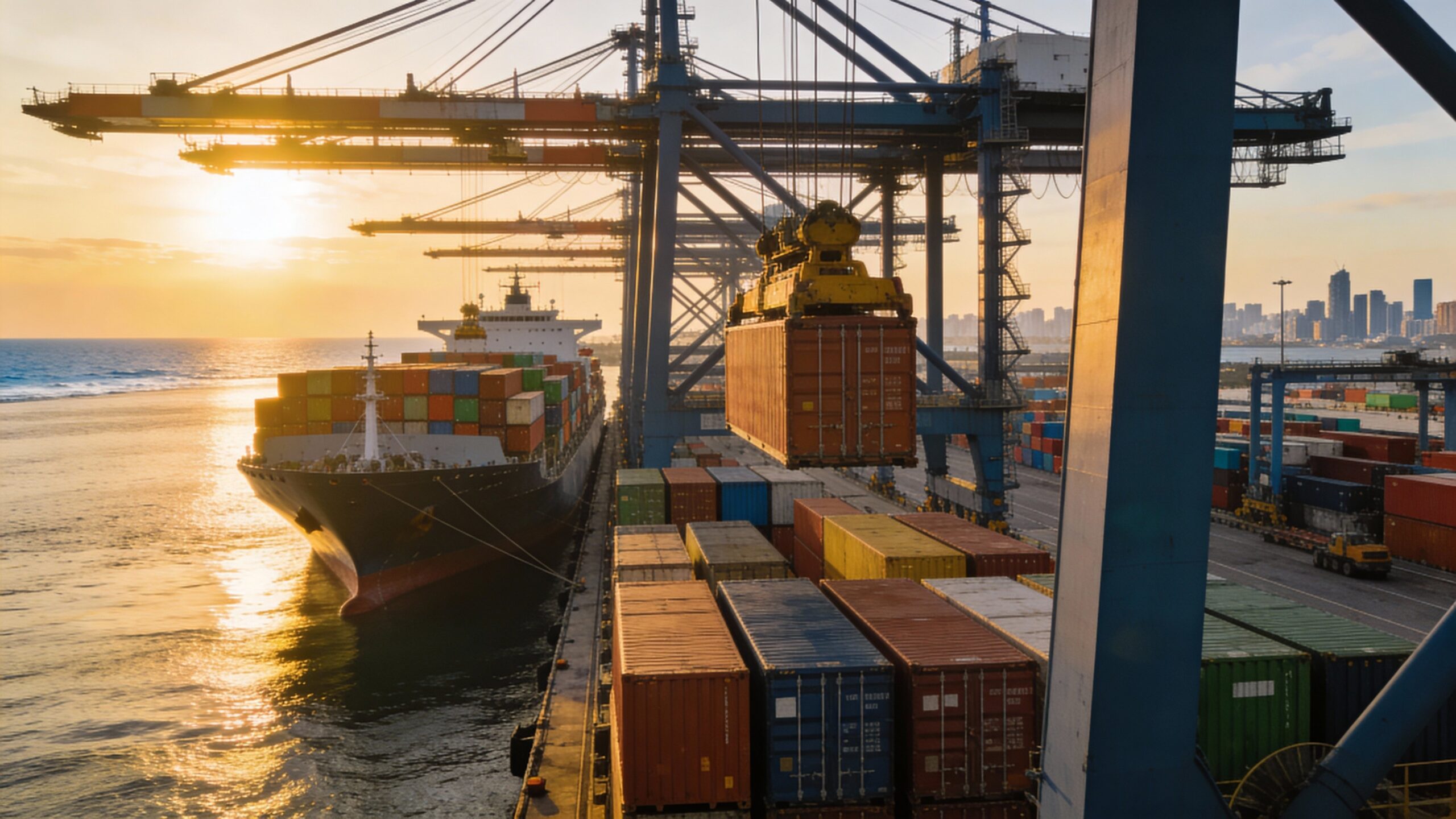
Trade & Global Markets sit at the crossroads of economics, politics, innovation, and everyday life. From the goods on your shelves to the price of energy, food, and technology, global trade quietly shapes prosperity, competition, and national power. This section of Right Streets explores how markets connect countries, how trade agreements rise and fall, and why decisions made across oceans can ripple into local communities overnight. Here, you’ll dive into the forces that drive imports and exports, the strategic logic behind tariffs and trade deals, and the ongoing tension between free markets and protectionism. We examine supply chains, currency movements, manufacturing shifts, and the real-world consequences of globalization—both its growth engine and its growing controversies. Whether you’re curious about trade wars, emerging markets, reshoring, or the future of global commerce in a fractured world, this collection breaks complex ideas into clear, accessible insights. Trade & Global Markets is your guide to understanding how nations compete, cooperate, and negotiate in an interconnected economy—and why trade remains one of the most powerful forces shaping the modern world.
A: Generally yes, but gains are unevenly distributed.
A: Short-term protection can raise long-term costs.
A: Cost, reliability, and market access.
A: Not inherently; context matters.
A: Strong currencies raise export prices.
A: Bringing production back domestically.
A: They trade autonomy for predictability.
A: They control access to markets.
A: It shapes risk and access.
A: More regional, digital, and strategic.