Free Market Capitalism Is People Using Property, Work, and Exchange
Free market capitalism can sound complicated, but the basic idea is simple. People are allowed to own property, start businesses, work for wages, invest savings, compete for customers, and trade voluntarily. Capital means productive resources such as tools, buildings, machines, savings, land, software, and equipment. Capitalism means those resources are largely owned and directed by private people and organizations rather than by the state. Free market capitalism adds that exchange should be open, competitive, and guided by prices instead of central command. In plain language, it is an economy where people build and trade under rules that protect property, contracts, and fair dealing.
A: Private people own productive resources and trade voluntarily.
A: No. It includes tools, equipment, buildings, savings, and productive knowledge.
A: It can signal that customers value what is produced.
A: It tells people to change course when resources are wasted.
A: Yes. Wages are economic signals, not measures of human worth.
A: Yes, limited government protects property, contracts, and fair dealing.
A: Political favoritism that protects insiders instead of open competition.
A: Yes, when detached from honesty, family, faith, and responsibility.
A: It gives customers alternatives and pressures producers to improve.
A: People build, trade, risk, profit, lose, and learn under fair rules.
Capital Is Productive Stuff
Capital is not just money sitting in a vault. It is the productive stuff that helps people make goods and services. A delivery truck, bakery oven, welding tool, tractor, laptop, warehouse, patent, sewing machine, or savings account can all function as capital. Capital makes work more productive.
When people invest in capital, they are usually sacrificing present consumption for future output. A business buys a better machine, a family saves for education, or an entrepreneur pays for software before earning revenue. Capitalism depends on that willingness to build for the future.
Private Ownership Changes Incentives
Private ownership changes incentives because owners bear consequences. If they care for equipment, serve customers, and judge risk well, they may benefit. If they waste resources, ignore customers, or misread demand, they may lose. Ownership links decision-making to responsibility. That link is not automatic virtue, but it is a structure for accountability. Decisions have consequences for the person closest to the asset. A rented tool, a borrowed room, and an owned workshop tend to be treated differently because future gains and losses fall in different places. Capitalism tries to align care with consequence. The point is not that every owner behaves well, but that ownership gives responsibility, planning, and accountability a practical home.
Voluntary Trade Is the Daily Engine
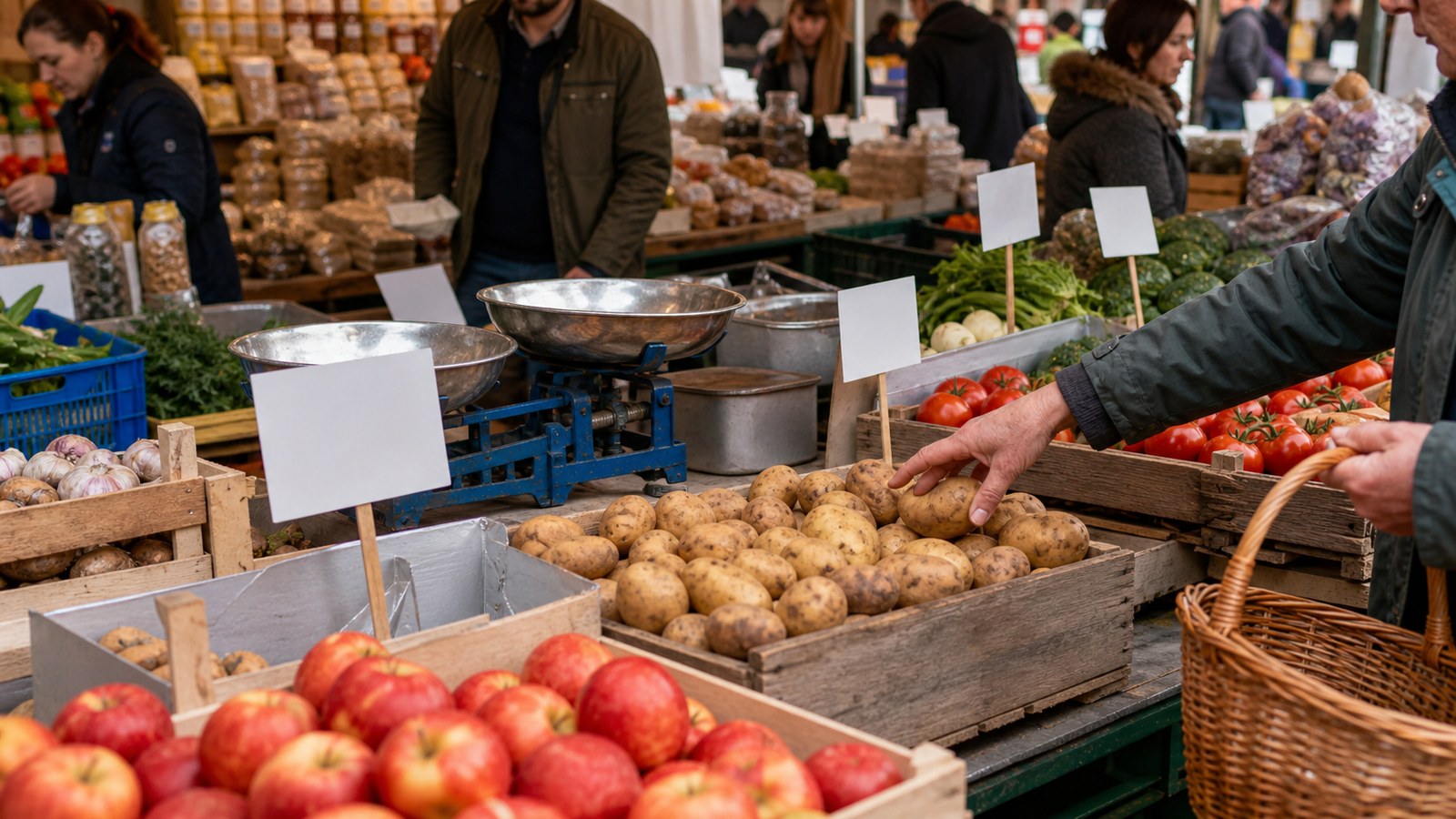
Free market capitalism runs on voluntary trade. A person buys coffee, hires a plumber, subscribes to software, rents an apartment, sells produce, or changes jobs because the exchange seems worthwhile. These trades are ordinary, but together they coordinate vast amounts of work.
The voluntary part matters. If exchange is forced, it is not a market in the meaningful sense. Fraud, theft, coercion, and favoritism corrupt capitalism because they sever trade from consent. A free market needs law to protect honest dealing.
When trade is voluntary and lawful, people can cooperate across differences. They do not need to share religion, party, class, or background in order to exchange value peacefully. Voluntary trade also lets people cooperate without asking whether they agree on every moral, religious, or political question.
Profit Is Payment for Creating Value
Profit is often treated as suspicious, but in honest markets it is payment for creating value after costs are covered. A restaurant earns profit if customers value meals more than the ingredients, rent, labor, and risk required to provide them. A software company earns profit if users value the tool more than the price.
Profit can be pursued badly through deception, exploitation, or political favoritism. That should be condemned. But profit itself is not theft when it comes from voluntary exchange. It is one signal that resources are being used in ways customers choose. A profit can come from luck or market timing, but durable profit usually requires repeat service. Customers return only when the product, price, convenience, or trust feels worthwhile compared with alternatives. In plain English, profit is the market’s way of saying, at least for now, that people prefer this use of resources.
Loss Is the Other Half
Loss is the other half of the system. It tells owners that customers are not buying enough to justify the resources being used. That message can be painful for workers and owners, but it prevents society from pouring effort endlessly into things people do not value enough. Loss forces adaptation.
Wages Are Prices for Labor
Wages are prices for labor shaped by skill, productivity, demand, scarcity, location, risk, and bargaining conditions. They are not perfect measures of human worth. A person’s dignity is not equal to a paycheck. Still, wages communicate economic information about how work is valued in a particular setting.
Free market capitalism improves wages over time mainly by increasing productivity. Better tools, training, investment, management, and technology let workers produce more value. When workers can produce more, employers can often pay more while still serving customers at prices they accept.
Competition Gives Customers a Voice
Competition gives customers a voice because businesses must earn purchases. If one store is rude, expensive, or careless, another may win the customer. If a company innovates, others must respond. Competition is not comfortable for producers, but it is valuable for the public. If one store raises prices too high or lets quality slide, customers can look elsewhere. That ability to leave gives buyers leverage even when they never organize a campaign or call an official. The quiet threat of lost business is often more immediate than any speech about service.
Capitalism without competition becomes cronyism or monopoly. Conservatives who defend free markets should also defend open entry, fair rules, and skepticism toward policies that protect insiders from rivals. Competition also helps smaller voices be heard. A niche shop can survive by serving a group that larger firms ignore, while a new producer can win attention by solving an everyday irritation.
Competition also protects the meaning of voluntary exchange. If a customer has nowhere else to go, consent becomes thinner. Open markets keep consent more meaningful by preserving alternatives. That is why barriers to entry are so damaging. When rules, licenses, subsidies, or political deals make it hard for newcomers to compete, customers lose choices and existing firms lose pressure to improve.
Investment Is a Bet on the Future
Investment is a bet on the future. People put money, time, or effort into something that may produce later value. A farmer plants before harvest, a manufacturer buys equipment before orders arrive, and a founder hires workers before profit is certain. Capitalism allows many such bets to happen.
Some bets fail. Failure is not pleasant, but it is part of discovery. A system that forbids failure also discourages risk. A system that subsidizes every failure teaches bad judgment. Free market capitalism works best when risk and reward remain connected.
Investment also requires trust in the future. People are more willing to risk savings when property is protected, money is stable, rules are understandable, and success will not be casually confiscated. Capitalism therefore depends on legal and cultural confidence.
Investment also teaches patience. A business may buy equipment this year because it expects to serve customers better next year, and a worker may spend nights learning a trade before higher wages appear. Capitalism rewards that forward-looking discipline when the bet meets a real need.
Consumers Are Not Helpless
Consumers are not helpless in a competitive market. They compare, refuse, recommend, repair, substitute, and switch. Their choices pressure companies in ways speeches often cannot. Consumer power is imperfect, especially when markets are concentrated, but it remains a real force.
This is why transparency and competition matter. Customers need alternatives and information. When government rules or corporate behavior reduce alternatives, capitalism becomes less market-like and more controlled. The customer is not sovereign in every sense, but customer choice is a real check on producer arrogance when alternatives exist. A person with limited income still faces constraints, but choice can protect dignity inside those constraints. Buyers can compare, substitute, delay, repair, share information, and support businesses that treat them well. Those small acts do not create paradise, but they keep economic life responsive to people outside boardrooms and agencies.
Government Still Has a Role
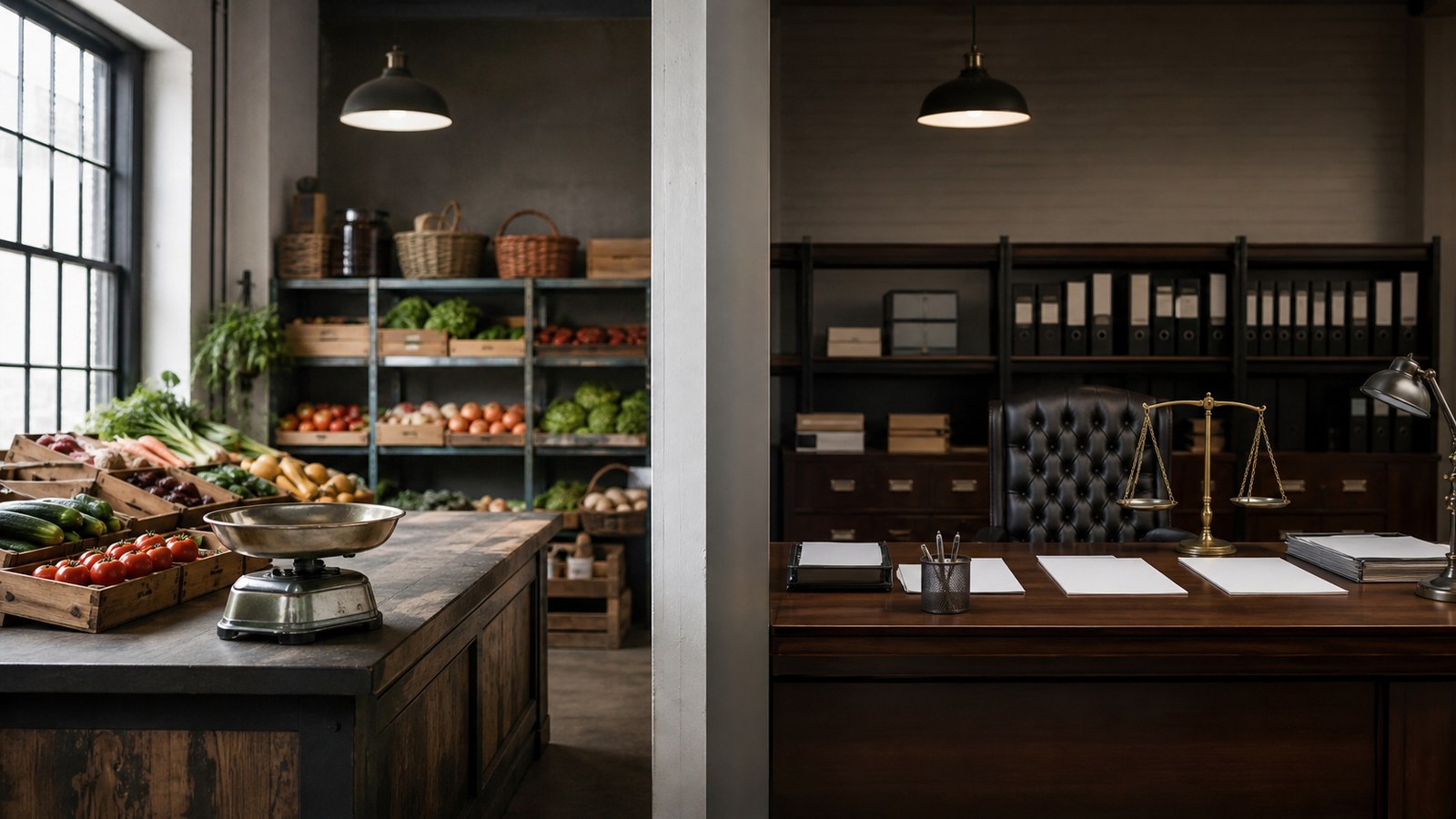
Free market capitalism needs government to enforce contracts, protect property, punish fraud, maintain courts, provide public order, and address real harms that markets do not handle well. Limited government is not absent government. It is government focused on the rules that let free exchange work.
The danger comes when government stops enforcing fair rules and starts choosing winners. Subsidies, bailouts, regulatory favoritism, and political allocation can turn capitalism into a contest for influence. Conservatives often call this crony capitalism, though it is better understood as a corruption of markets.
A government that performs this role well strengthens capitalism by making exchange more trustworthy. A government that uses the role to reward allies weakens capitalism by turning production into politics.
Capitalism and Human Flourishing
Free market capitalism has helped lift living standards because it rewards productivity, innovation, and service at scale. It has produced medicines, tools, housing improvements, communication systems, transportation, food abundance, and countless ordinary conveniences. These goods matter because material conditions shape real human possibilities.
Material abundance is not the whole of life. Families, faith, virtue, beauty, and community matter more deeply than consumption. A conservative defense of capitalism should therefore be moral as well as economic. Markets are tools for human flourishing, not replacements for it. That is why conservatives should defend capitalism as a servant of families and communities, not as a substitute for them.
The Jargon-Free Summary
Free market capitalism means people can own productive resources, use them to serve others, trade voluntarily, compete, profit when they create value, and lose when they waste resources. It needs honest law and moral culture. It is not perfect, but it gives ordinary people more room to build than systems that put economic life under political command. Capitalism sounds complicated when it is buried under academic vocabulary, but the everyday version is familiar. People own tools and savings, offer goods and labor, accept risk, respond to customers, and adjust when results change. The system works best when law protects honesty and culture honors responsibility.
Ownership Is Not Isolation
Private ownership does not mean people owe nothing to anyone else. Owners have duties to customers, workers, neighbors, families, and the law. The benefit of ownership is that it gives those duties a concrete setting. A person can maintain, improve, risk, share, sell, and pass on what he owns.
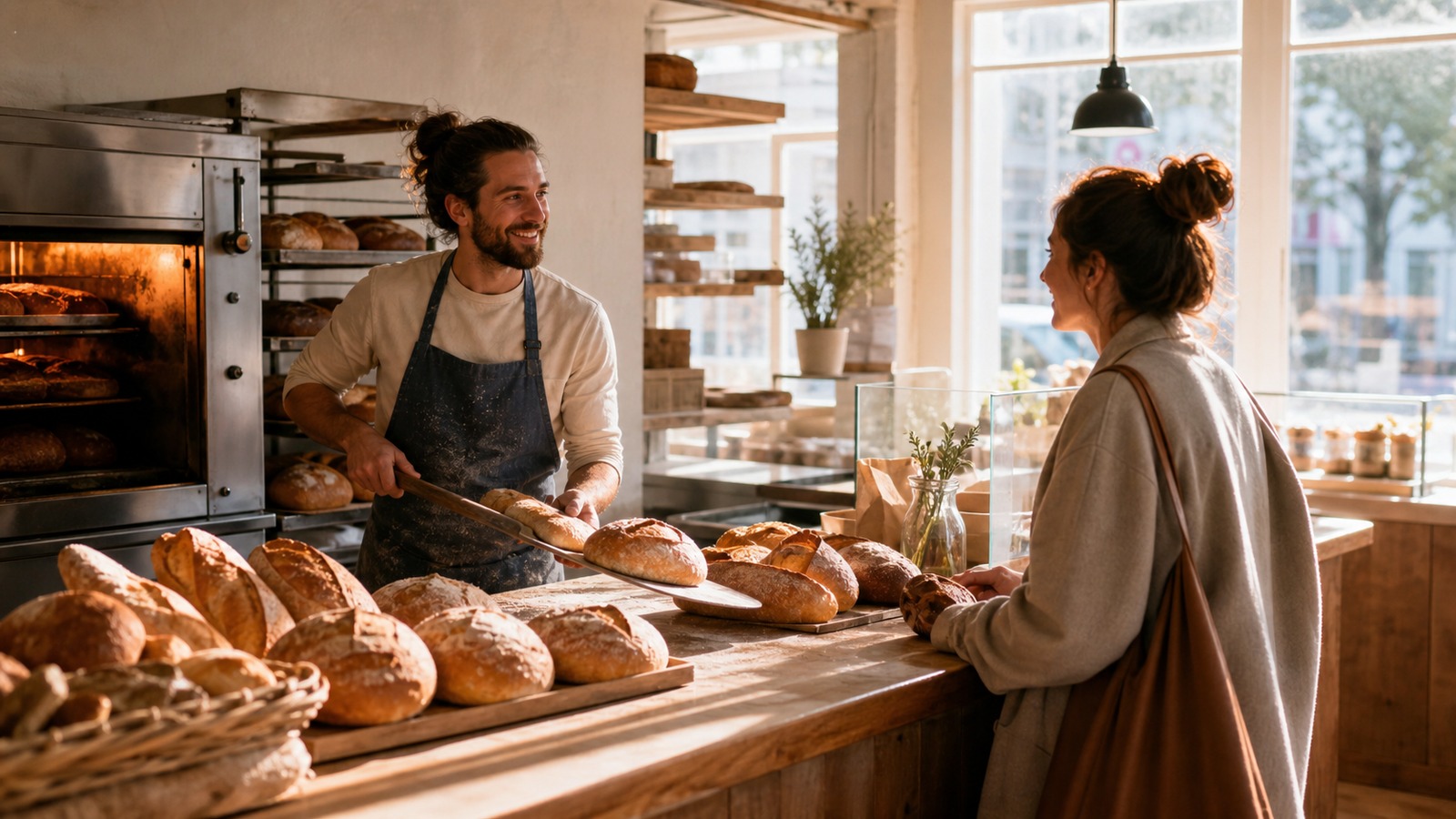
This is why capitalism should not be defended as selfishness. At its best, it links personal initiative with service to others. The baker earns by feeding customers. The mechanic earns by restoring transportation. The builder earns by making shelter. A baker may own the oven, but she still depends on customers, flour suppliers, delivery drivers, banks, landlords, employees, and neighbors. Capitalism does not abolish interdependence. It organizes interdependence through consent, prices, promises, and repeated dealing rather than through command.
The Plainest Defense
The plainest defense is that free market capitalism lets people build without waiting for a central plan. It leaves room for small beginnings, family businesses, immigrant ambition, local knowledge, and unexpected invention. That room is never perfect, but it is precious. The plainest defense of capitalism is that it lets people try, trade, build, fail, recover, and improve without asking the state to script every step. It respects the fact that prosperity is usually assembled by many hands over time. When kept within law and moral restraint, that freedom gives ordinary ambition a constructive place to go.