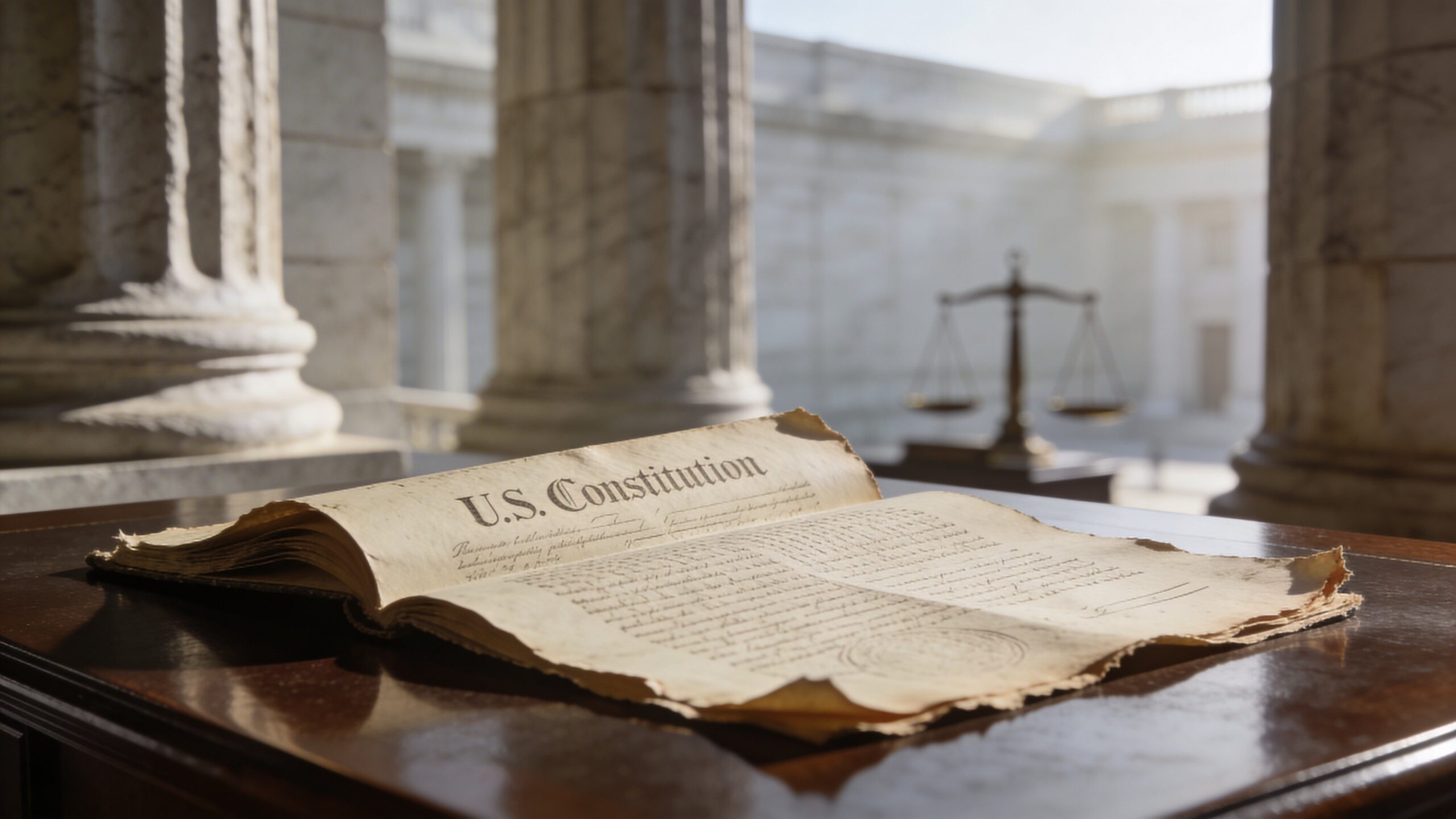
Rights and Privileges Are Not the Same Kind of Claim
Americans often use the words rights and privileges as if they mean the same thing, but constitutional government depends on keeping them separate. A right is a protected claim that government must respect even when officials dislike its use. A privilege is a benefit, permission, office, license, or access point that government may attach to conditions because it created or controls the arrangement. The distinction is not a technicality for lawyers. It shapes speech, property, voting, criminal procedure, public benefits, licensing, schooling, and the tone of everyday civic argument. When rights are treated like favors, liberty weakens. When privileges are described as absolute rights, public authority becomes confused and less accountable. A free society needs clear language because clear language helps citizens know when government must step back and when it may set reasonable terms.
A: A right limits government power, while a privilege usually depends on lawful permission, eligibility, or conditions.
A: Yes. Statutes, contracts, administrative rules, and due process can protect privileges without making them absolute rights.
A: Rights protect citizens even when officials or majorities prefer a different outcome.
A: Driving is generally treated as a licensed privilege, though government must administer licensing lawfully.
A: Often yes, but those conditions cannot be used to punish protected constitutional activity.
A: Usually no, because the First Amendment restrains government rather than private editorial judgment.
A: It helps people know when to demand constitutional protection and when to argue over policy design.
A: Yes. Hard cases require text, history, precedent, and careful attention to the facts.
A Right Is Not Permission
A right does not begin as a courtesy from the government. In the American constitutional tradition, rights mark areas where human dignity, self-government, conscience, property, and fair treatment deserve protection before ordinary politics begins. Government may regulate many surrounding circumstances, but it cannot treat the right itself as a mere administrative favor.
That is why rights often sound inconvenient to officials. Free speech protects unpopular opinions. Due process protects people accused of wrongdoing before the state may punish them. Religious liberty protects conscience even when public opinion shifts. The point is not that every rights claim automatically wins. The point is that government carries a burden when it interferes, because the citizen is not asking for permission to be free.
A Privilege Depends on Authority
A privilege is different because it usually depends on an office, license, program, platform, benefit, or controlled access point. Driving on public roads, holding a government job, receiving a permit, entering a secure facility, or using a public resource may involve conditions that do not apply to basic constitutional liberty in the abstract.
Those conditions still must be lawful. Government cannot disguise punishment for speech or religion as a neutral condition. It cannot use a permit process as a weapon against disfavored citizens. Yet the basic relationship is not the same as a core right. Privileges are often granted through rules that define eligibility, procedure, scope, and revocation.
This distinction keeps public debate honest. If something is a privilege, citizens may argue about fairness, access, standards, and accountability. If something is a right, citizens must ask whether government has crossed a boundary it has no ordinary authority to cross.
Why the Distinction Matters
The difference matters because language directs power. A city that treats public speech as a favor can silence people too easily. A citizen who treats every public benefit as an unconditional right may ignore the duties and limits that make common life possible. Constitutional language should protect liberty without turning every preference into a command.
Constitutional Rights Limit Government
Rights function as limits on government action. The First Amendment does not hand citizens a government-owned permission slip for speech, press, religion, assembly, or petition. It restrains Congress and, through later constitutional development, restrains state and local officials as well. The Fourth Amendment does not grant privacy as a bonus. It limits unreasonable searches and seizures.
This limiting function explains why rights endure across elections. A right does not vanish because a temporary majority finds it irritating. It may be interpreted, balanced, and applied to new facts, but it cannot be reduced to a popularity contest. Constitutional rights make self-government possible by protecting the people from the very government they empower.
Privileges Can Be Conditioned
Privileges are often connected to public administration. A professional license may require training. A public benefit may require eligibility. A government employee may accept duties that limit certain workplace conduct. A courtroom seat may require decorum. These conditions do not automatically violate liberty, because the privilege exists inside a structured public arrangement.
The hard cases appear when conditions touch constitutional rights. A city may require a parade permit to manage traffic, but it cannot deny the permit because officials dislike the message. A university may set neutral rules for facilities, but it cannot punish a group simply for holding unfashionable views. A licensing board may demand competence, but it may not turn professional permission into ideological obedience.
Good constitutional reasoning asks two questions at once. What kind of benefit or access is being regulated? And is the condition being used to burden a right indirectly? That double question prevents both extremes: treating every rule as tyranny and treating every official condition as harmless.
Duties Around Rights
Rights are not excuses for disorder or cruelty. A person may have a right to speak, but not to trespass into a private home to do it. A person may have property rights, but still owe taxes and obey safety rules. Rights mark protected domains, while duties help those domains coexist in a society of other rights-bearing people.
The Danger of Calling Everything a Right
When every desired good becomes a right, the word loses discipline. Housing, health care, education, work, safety, transportation, and digital access are serious public concerns. Citizens may favor strong policy commitments in any of those areas. But calling a policy goal a constitutional right can shift debate away from trade-offs, funding, administration, federalism, and institutional competence.
That shift can make politics less honest. A right normally implies that government must act or refrain from acting regardless of ordinary disagreement. If every benefit carries that same status, elected representatives become managers of declared entitlements rather than lawmakers weighing prudence and cost. Clear language lets citizens argue forcefully for public goods while still recognizing the special weight of constitutional rights.
Rights in Everyday Arguments
Everyday arguments often blur the categories. Someone may say they have a right to comment on a private website, a right to keep a public job after misconduct, or a right to enter any publicly owned space at any time. Those claims may contain a real concern, but they need sorting. The question is whether the Constitution protects the activity against the actor involved.
Private action usually differs from state action. A private newspaper can decline a column without violating the First Amendment, while a city council cannot exclude a speaker from a public comment period because of viewpoint. A private employer may set workplace rules, while a government employer must account for constitutional limits. The identity of the decision-maker changes the analysis.
This is why civic education must teach more than slogans. Citizens need to ask who is acting, what power is being used, what interest is burdened, and what rule governs the setting. The language of rights is powerful, but it becomes sharper when citizens know where it actually applies.
Courts and Public Institutions
Courts often decide whether a claimed interest receives constitutional protection, statutory protection, ordinary policy treatment, or no legal protection at all. That task is not mechanical. It requires text, history, precedent, structure, and judgment. Still, the first step remains basic: identify whether the citizen is invoking a right or challenging the terms of a privilege.
Property, Speech, and Due Process
Property offers a useful example. Owning a home is not the same as receiving a zoning variance. The owner has constitutional protections against uncompensated takings and arbitrary deprivation, but a requested exception to a zoning rule may be treated as a conditional permission. The analysis changes depending on whether government is invading a protected interest or deciding whether to grant special access.
Speech and due process show the same pattern. A citizen has a right to criticize officials, but not a right to commandeer every forum. A person has a right to fair procedure before certain deprivations, but not a right to win every application. Constitutional government protects the baseline while leaving many policy details to ordinary law.
The Civic Takeaway
The practical takeaway is simple: rights restrain government, while privileges are defined by lawful conditions. That does not make privileges unimportant. A license, benefit, school placement, or government job can affect a person’s life deeply. Fair rules still matter.
But importance alone does not determine constitutional status. Many important things are governed by statutes, contracts, administrative rules, or political accountability. Rights require a stronger justification because they protect the citizen from official overreach even when the moment is tense.
Citizens who understand this difference can argue with more precision. They can defend rights without inflating every demand, and they can improve privileges without pretending they are absolute. That precision strengthens liberty because it directs constitutional energy toward the places where power most needs restraint.
A Practical Test
A useful test begins with a few questions. Is the government restricting something the Constitution protects? Is the citizen seeking access to a benefit or permission created by law? Are the conditions neutral, public, and related to the purpose of the privilege? Or are they being used to punish a protected belief, identity, or action?
Those questions will not solve every case, but they discipline the conversation. They keep citizens from surrendering rights as favors and from treating every disappointment as constitutional injury. The difference between rights and privileges is one of the basic grammar rules of American freedom. Without it, both liberty and government become harder to understand.
Public Benefits and Real-Life Stakes
Public benefits show why the distinction must be handled with care. A benefit may not be a constitutional right in the same sense as speech or due process, yet losing it can still be devastating. Food assistance, disability support, school services, housing programs, or veterans benefits may affect whether a household can function. Because the stakes are real, government must administer programs with regular rules, clear notices, and meaningful appeal opportunities.
At the same time, treating every benefit as an unconditional right would make lawful administration nearly impossible. Eligibility, funding, fraud prevention, program purpose, and legislative judgment all matter. The better approach is not careless denial or unlimited entitlement language. It is disciplined administration that respects legal process, protects against arbitrary treatment, and admits that public programs operate inside rules created by representative government.
Citizens can therefore defend fairness without blurring every category. They can say a benefit was wrongly denied, a condition was irrational, a hearing was unfair, or an agency applied a rule unequally. Those are serious claims. They become stronger, not weaker, when the speaker uses the right constitutional vocabulary.
Language That Keeps Liberty Clear
The healthiest civic language is careful without being cold. It recognizes that people can suffer real injustice in the administration of privileges, and it also preserves the special force of constitutional rights. That balance helps citizens make better claims. A person can demand fair rules for a license, humane administration of a benefit, and strong protection for speech without pretending all three questions are identical. Clear categories do not reduce compassion. They make public argument more accurate, and accuracy is one of the quiet supports of liberty. It also helps neighbors disagree without accusing every opponent of either tyranny or entitlement.
That discipline is especially valuable in local disputes, where licensing, benefits, speech, property, and process often overlap in one ordinary case.